It wasn't one big moment. It was every small one.
For a long time I thought leadership would arrive; that one experience would make me ready, or one credential would confer authority. It didn't work that way. What I actually built was a bucket. Two decades of executive work, a doctorate, a startup, a book; none of it came from a single shaping moment. It accumulated, one experience at a time, until the throughline finally became clear. Leading Wholly is what I saw when I looked into the bucket.


Why no single experience makes a leader.
Experience accumulates. Then suddenly, it integrates.
I wrote about this in the first chapter of Leading Wholly. Experiences pile up behind a dam; slowly, invisibly, without warning. Then one morning, the dam breaks. The idea arrives all at once, supported by the weight of everything you've done.
For me, that morning was in the gym at 5:45 AM. The realization wasn't I should write a book. It was the thing I've been doing for two decades has a name. Diversity. Adaptability. Emotional intelligence. Lifelong learning. Empowering teams. Bringing my whole self. Not six skills to learn; six aspects to integrate. And every drop in my bucket had been teaching me one of them.
That's the work. Not adding more skills. Integrating who you already are.
Every experience went in.
Here's what's in the bucket.
This is why I can sit across from senior leaders at the largest companies and speak their language.
This is why I'm equally at home with founders and small business owners.
This is why coaching isn't a second career for me; it's the thing I've always been doing.
Two decades of bucket; one framework.
When we work together, you're not getting concepts. You're getting two decades of trial, error, recalibration, and integration; made practical for your situation. The framework isn't theoretical. It's the throughline I lived.
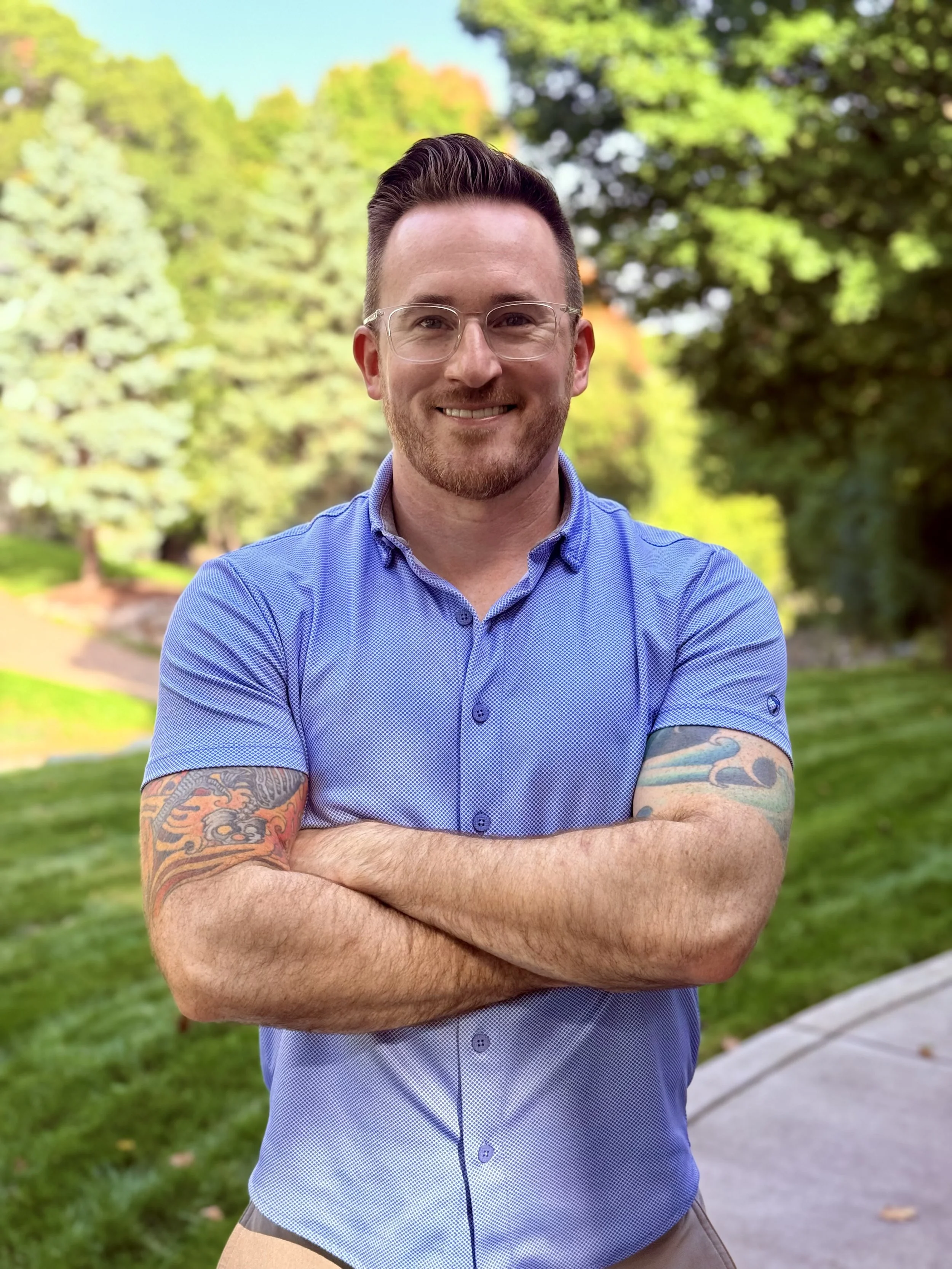
Whole self, not just at work.
When I'm not coaching executives, I'm coaching kids; hockey, mostly, which in Minnesota is functionally a religion. I run. I read more than I probably should. I write best at 5:45 AM, which, if you've read the first chapter, is also where the dam-breaks story came from. The whole-self thing isn't theoretical for me.
What does your bucket hold?
Let's find out together.
If something here resonates; about your own integration, your own throughline, your own way of leading; schedule a discovery call. Thirty minutes, no pitch. Just a conversation about what your next chapter looks like.